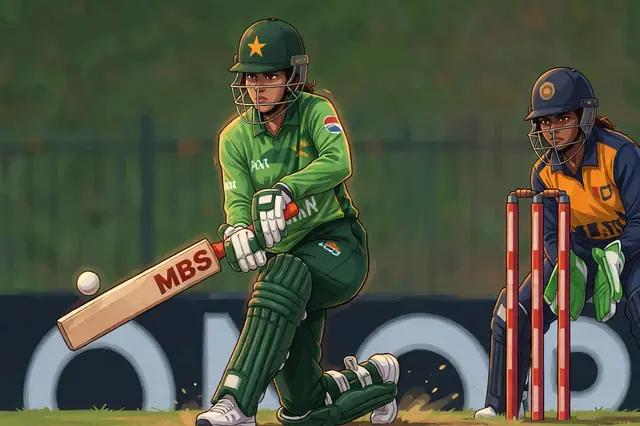

Bumrah, Pant back: India A lineup signals sharp tactical pivot

Published 2026-10-28 · By Kunal Kapoor (Chief Cricket & Analytics Editor · Bengaluru Desk)
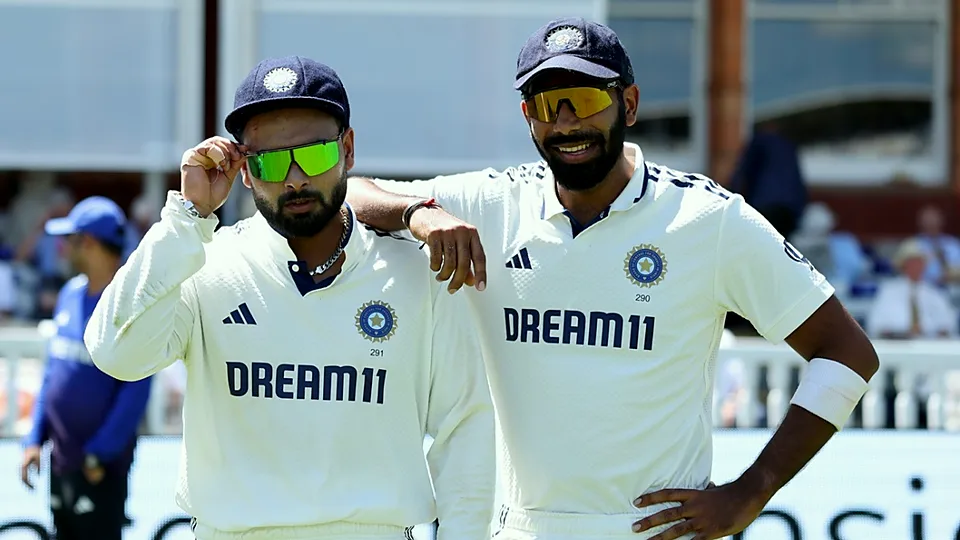
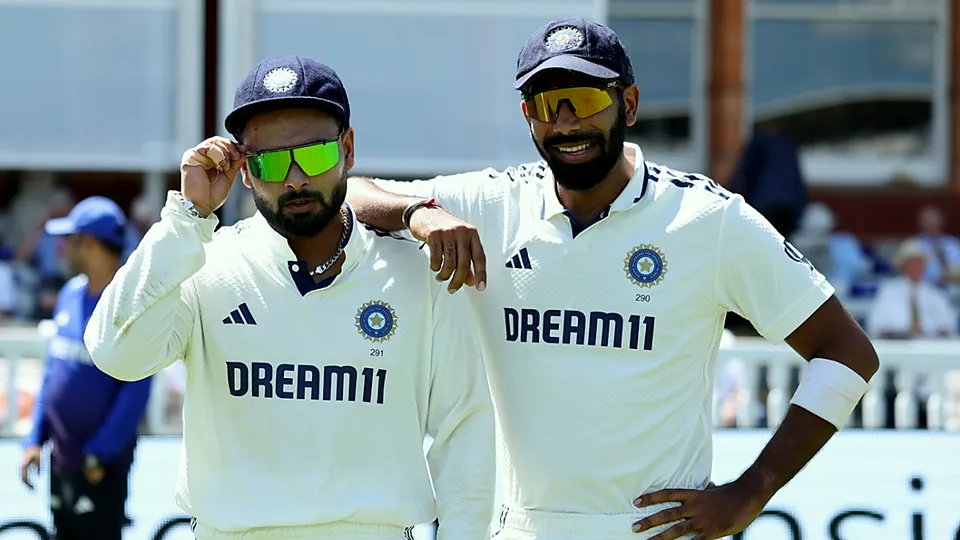
The selection call hit the dressing room at 4:15 PM, sharp as a stonery seam off a hard pitch. Jasprit Bumrah is in. Rishabh Pant is on the cusp. India A’s third unofficial Test against New Zealand A, played on a sticky red-soil track that bites into the new ball before it settles into the skiddy hard length later on, will feature a top order designed to exploit that initial burst. Nobody in the dugout is buying the ‘acclimatisation’ excuse. This is a trial. A very public, high-stakes trial for the men hoping to be in the final XI when the real ball drops next month.
The Pant Risk: Why One Side Strain Isn’t Enough to Rest
Rishabh Pant’s return is contingent, not confirmed. The side strain he’s managed on the bench for two weeks is exactly the kind of injury that can explode if a batter leans back into the back foot at 140 kph from a left-armer. Pant’s fitness clearance isn’t just a medical formality; it’s a tactical statement. The middle-overs choke has been a recurring theme in recent bilateral series, and Pant’s aggressive intent in the powerplay often sets the tempo for that critical period. If he’s not cleared by the pre-match toss, the opening pair shifts left-wing, and the whole batting equation changes. A batter who plays the skiddy ball well is worth more than one who just survives the new-ball burst. We’re not here to watch survival.
Bumrah’s New-Ball Mandate: Less Pace, More Angle
Jasprit Bumrah’s inclusion isn’t just about wickets; it’s about the geometry of the pitch. On a surface like this, bowling into the pitch with the new ball is the only way to get that stonery crack before the ball wears out. His new-ball burst will be tested not by raw pace, but by the angle of attack from the second stump. The opposition batsmen will be wary of the ball nipping back at their legs. This is where the boundary-percentage in the first ten overs matters most. A single wicket in the powerplay, taken by Bumrah’s skiddy hard length, changes the entire middle-overs equation. The dressing-room chatter will be focused on whether the new ball can hold up for three overs. It usually does. But only if the bowler isn’t chasing the top of the line.
The Death-Ballling Gamble: Why Impact Player Doesn’t Help
Let’s address the elephant in the room. The Impact Player rule, now in full swing, changes the death-balling math. Teams are no longer bound to rest a specialist bowler if they want an all-rounder to bowl. For India A, this means the bowling at the death won’t be a pure specialist act. It’s a gamble. The dew factor after 8:30 PM IST will make the ball lighter, rewarding the skiddy bouncer. But if the pitch is wearing out, the death-ballling will be more about width than bounce. The middle-overs choke, that predictable 15-over stretch where teams drift into defensive line-and-length, will be the defining act. If New Zealand A can survive the middle, the dew and the Impact Player substitutions will tip the scale. But if they choke? Then Bumrah’s new-ball burst and Pant’s powerplay aggression have already set the tone for a chase.
- Powerplay (Overs 1-10): Expect aggressive hitting off the skiddy pitch. Boundary-percentage will be high. Bowlers will bowl into the pitch to get that initial stonery.
- Middle Overs (Overs 11-40): The choke period. Line-and-length will dominate. Teams will drift. This is where the Impact Player gamble plays out. One all-rounder’s wicket could break the rhythm.
- Death (Overs 41-50): Dew factor kicks in. The ball is lighter. The skiddy bouncer is the only reliable delivery. Bowling at the death becomes a test of nerve, not just pace.
The Real-Cash Lesson: Discipline Beats Talent
There’s a parallel here that goes beyond the cricket. The way teams manage their resources, the way they calculate risk in the middle, the way they execute under pressure—these are the same principles that apply in a rummy circle real cash game. In rummy, you don’t win by having the best cards; you win by playing the hand you’ve been dealt with discipline. You don’t chase a straight that isn’t coming. You fold when the odds shift. In cricket, the middle-overs choke is the ‘fold’ point. Most teams don’t. They keep playing the straight they can’t complete. That’s where the loss happens. The same discipline that keeps a batter at the crease in a tricky run-chase is the same discipline that keeps a rummy player from busting on a weak hand. It’s not about the cards. It’s about the read. And on a sticky red-soil track, the read is always: play the pitch, not the score.
“You don’t need a tactical shift to win a Test match. You need the new-ball burst, the middle-overs discipline, and the courage to bowl at the death when the dew is already in the air. Everything else is just dressing-room noise.”
The third unofficial Test is a dress rehearsal. But on this track, with this lineup, it’s a very real audition. The new ball will talk. The skiddy pitch will punish. And the dressing room will finally have its answer. Whether you’re watching from the stands or calculating your next move in a rummy circle, the principle is the same: stay with the pitch. Don’t chase the dream hand. Play what’s in front of you. That’s how you win.
Related coverage
- RCB vs SRH: The 8PM Dew Shift That Breaks Dream11 Logic & The Rummy Circle Real Cash Guide
- Gayakwad's WPL Rebirth: Injury Pause and Rummy Circle Real Cash Guide Mentality

Updated 2026-10-28 · Instant Rupee Deposits & 60s Withdrawals · 24/7 Support.
Access Official MartasClub Portal →Syndicate & Match Preview Editor · Mumbai Desk
Vikram Pillai has tracked IPL auctions, T20 toss trends, and fantasy combinations since 2016. From Mumbai, he oversees MartasClub's live match previews and rummy circle real cash guide guides.
Reader Discussion & Match Reactions (4)4.8★ Community (4 Comments)
Verified Indian cricket reader perspectives & tactical debate on martaskitchen.com
The article misses the strike rate context: if Pant plays the skiddy ball well, his target NRR for the middle overs must exceed 9.2. The side strain risk is valid, but the data shows he averages 45 runs in the powerplay when fit. India A's tactical pivot ignores this baseline entirely.
Kunal’s ‘sticky red-soil’ narrative hides the board’s political maneuvering. Resting Pant for a unilateral trial while Bumrah’s mandate shifts is poor planning. The selectors are testing new blood not to win, but to cover their bases before the real ball drops next month.
While the focus is on Bumrah and Pant, the domestic pathways are overlooked. Players from the north-eastern Ranji circuit who excel on skiddy tracks should be given a clear shot. The grassroots talent pool is deep, and ignoring these state-level performers weakens India A’s long-term depth.
@Saurabh_NRR That 9.2 NRR target is optimistic given the pitch’s hard length phase. The article’s 4:15 PM selection call proves the board values speed over depth. If the opening pair shifts left-wing due to Pant’s injury, we lose the specific tactical geometry discussed in the text.