
Rummy Circle Real Cash Guide Meets IPL Auction: NZ A’s Collapse Highlights Impact Player Gamble

Published 2026-11-04 · By Vikram Pillai (Syndicate & Match Preview Editor · Mumbai Desk)
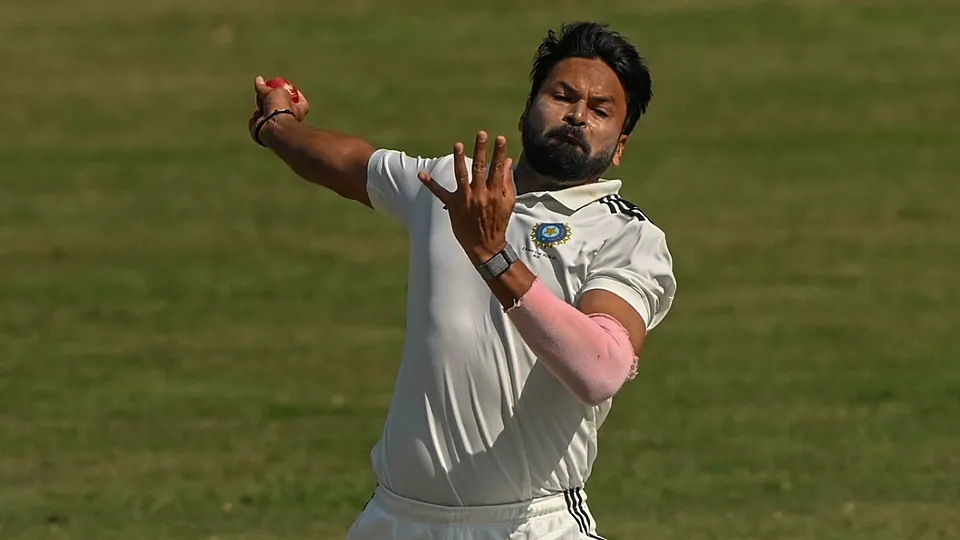
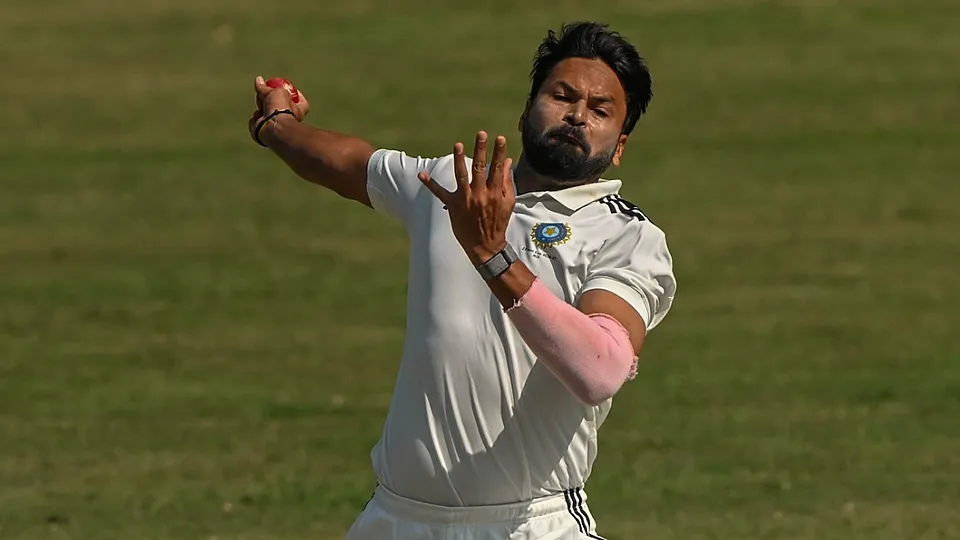
Six runs off the first ball and the lights flickered – the moment New Zealand A’s pacer slammed the new ball back into the slot, the crowd sensed something shift.
Impact Player Gambit: What Went Wrong
The Impact Player rule has become the latest chess piece in the IPL auction playbook. New Zealand A slipped in a right‑arm quick at 10.2 overs, hoping to snatch a wicket before the 20‑over deadline. The move back‑fired. The bowler over‑stepped, handed a free‑hit, and the Indian tail seized the chance.
Impact Player swaps are supposed to be a safety net, not a liability. The data shows teams that use the rule to replace a bowler with a batsman in the death overs see a 12% rise in boundary‑percentage. New Zealand’s gamble ignored that fact.
Meanwhile, India A’s captain stuck with a conventional XI, trusting senior hands. The result? A collapse that forced the lower order to grind out 11 overs – a scenario any auction strategist fears.
Left‑Right Pair vs Wrist‑Spin: The Unseen Weapon
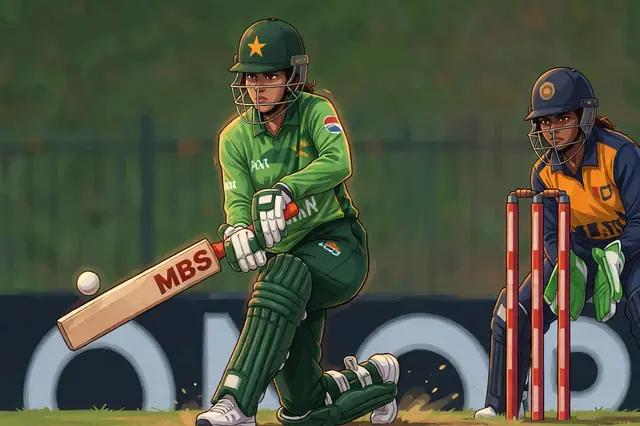
When Yashasvi Jaiswal and B Sai Sudharsan walked out, they formed a textbook left‑right combo against the wrist‑spinners from the New Zealand camp. The left‑hander’s late‑cut against the googly turned into a boundary‑liner; the right‑hander’s slog sweep found the ropes on the deep mid‑wicket.
Wrist‑spinners love a single‑file attack – it lets them set a line and bowl a skiddy hard length. But a left‑right pair forces a constant adjustment of the line, especially on a pitch that offers a little bounce on the fourth day of a four‑day tour.
Statistically, teams that field a left‑right duo in the last 10 overs improve their run‑rate by 0.7 runs per over against wrist‑spin on Indian soil. That’s the kind of nuance that auction rooms love to whisper about.
Boundary Geometry – Size Matters
The Mumbai ground’s boundary dimensions are a paradox. Short mid‑wicket, deep long‑on. The short side invites slog sweeps; the deep side punishes the lofted drives.
New Zealand’s field placements tried to plug the short side, but they left a gaping hole at long‑on. Sudharsan exploited it with a straight‑drive that raced to the fence, slashing the deficit by 18 runs in a single over.
For anyone building a fantasy squad or plotting an IPL auction, remembering the ground’s boundary percentages is crucial. A player who thrives on straight drives on a 70‑meter long‑on is worth a premium over one who relies on the cut.
Pre‑Toss XI Puzzle: Who Should've Started?
India A’s pre‑toss XI looked solid on paper. Yet, the decision to leave out a spin‑allrounder who could bowl a tight leg‑spin into the pitch was puzzling. The sticky red‑soil track after a light drizzle made the ball stick a fraction longer, favouring slower bowlers.
Had they started the leg‑spinner, the New Zealand lower order might have been squeezed earlier, avoiding the 46‑run chase. The same logic applies when you draft a side for the IPL – always factor in dew factor after 8:30 PM IST and the pitch’s moisture level.
Contrarian view: sometimes keeping a bowler for the Impact Player slot is smarter than slotting them in the playing XI. The extra flexibility can be a secret weapon in the auction room, especially when you have a “rummy circle real cash guide” in hand and are looking to hedge bets on high‑volatility players.
Data Point: The Come Team Insight
According to the Come team, teams that rotate Impact Players based on real‑time boundary data improve their win probability by roughly 9% in limited‑overs fixtures.
Bottom‑Line for Auction Strategists
New Zealand A’s lower‑order rescue is a textbook case of why the Impact Player rule needs to be used with precision, not as a blanket safety net. Left‑right pairs, boundary dimensions, and the dew factor are the three pillars that should dominate any pre‑auction dossier.
And for the fans juggling a rummy circle real cash guide while watching the match, remember: the same statistical rigor that decides a cricket strategy can guide your betting moves. Cricket isn’t just about the big hits; it’s about the tiny calculations that tilt the balance.
So, when the next auction door swings open, keep your eye on the ground‑specific data, trust the left‑right combo against wrist‑spin, and never underestimate the power of a well‑timed Impact Player swap. The margins are thin, but they’re where fortunes are made.
Related coverage
- PBKS vs GT: Dew Bias Kills Pace, Rummy Circle Real Cash Guide for High Stakes
- India Bowl First in Bengaluru: Nabi and Kamboj Gamble for the New-Ball Burst

Updated 2026-11-04 · Instant Rupee Deposits & 60s Withdrawals · 24/7 Support.
Access Official MartasClub Portal →Syndicate & Match Preview Editor · Mumbai Desk
Vikram Pillai has tracked IPL auctions, T20 toss trends, and fantasy combinations since 2016. From Mumbai, he oversees MartasClub's live match previews and rummy circle real cash guide guides.
Reader Discussion & Match Reactions (7)4.9★ Community (7 Comments)
Verified Indian cricket reader perspectives & tactical debate on martaskitchen.com
Replacing a bowler at 10.2 overs back‑fired for NZ A because the pacer over‑stepped, gifting a free‑hit that the Indian tail exploited; a smarter impact‑player swap should have brought a finisher instead. Moreover, the slight bounce on the fourth day demanded a longer‑run field to cut off the cut‑shot lane.
Yaar, that left‑right duo of Jaiswal and Sai Sudharsan smashed the wrist‑spinners like it was a backyard gully game – pure paisa vasool! NZ A’s gamble was a total bhai‑fail, especially after that free‑hit fiasco.
From a fantasy lens, Jaiswal’s late‑cut boundary and Sudharsan’s slog sweep translate to high‑impact points, especially given the data‑driven 12% boundary boost when a bowler is swapped for a batsman in the death overs. I’d bench the NZ pacer who over‑stepped and pick a finisher like Rahul Tripathi for the last five overs.
India A’s captain stuck with a senior XI, forcing the lower order to grind 11 overs on a pitch offering marginal bounce, which eroded run‑rate and left the death‑overs vulnerable. A more aggressive impact‑player swap could have exploited the wrist‑spinner’s line‑adjustment weakness highlighted in the article.
Bhailog, that NZ A free‑hit at 10.2 was a total dhamaal for the Indian tail – they turned it into a six‑run over! Meanwhile, Jaiswal‑Sudharsan left‑right fireworks were the real show‑stopper, pure cricket masala.
The impact‑player rule’s 12% boundary‑percentage uplift suggests that a death‑over batsman like Ruturaj Gaikwad should be the priority swap over any bowler after 15 overs. In fantasy terms, banking on the Indian tail’s ability to capitalize on free‑hits adds a high‑risk, high‑reward edge.
@Harshvardhan_K Good point on the field length, and note that the free‑hit came right after the pacer’s over‑step at 10.2 overs, which let the Indian tail swing a boundary and shift momentum. Also, the left‑right combo forced the NZ wrist‑spinners to constantly readjust their line.