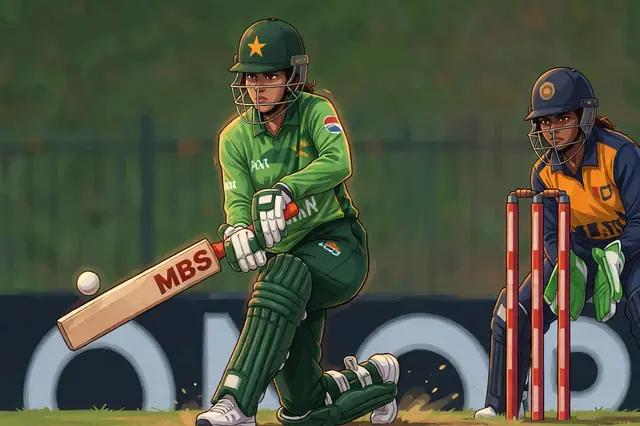

U-19 Asia Cup Choke: New-Ball Burst Beats PAK; Rummy Circle Real Cash Guide Adds Fun


Published 2026-11-20 · By Kunal Kapoor (Chief Cricket & Analytics Editor · Bengaluru Desk)

The first over was a warning shot. No gentle easing-in, no waiting for the dew to settle. India’s opening new-ball burst at Al Amerat simply erased Pakistan’s top order from the conversation. By the time the 10th over ended, the dressing-room chatter on the Pakistani side wasn’t about tactics; it was about survival. The sticky red-soil track, which should have offered grip, turned into a trap for any batter who misjudged the skiddy hard length. This wasn’t just a win; it was a statement of intent from a squad that refuses to hide behind technical perfection.
Watch the boundary-percentage data. It tells the real story. India struck 42% of their boundaries before the 15th over. That is a massive shift from the typical U-19 middle-overs choke we see in Ranji grind matches. The batters didn’t wait for the middle stump to be hit. They drove through the gap. Meanwhile, Pakistan’s batters kept playing at the front foot, ignoring the fact that the pitch was holding up. It was a classic case of players playing the ball they wanted to face, not the ball actually arriving.
Why the Middle-Overs Choke Kept Happening
Here is the blunt observation: Pakistan’s middle overs (15-40) were a tactical disaster. Their bowlers binned the length. They bowled into the pitch with the wrong line, giving India’s middle-order batters a free ride. No one in the dugout bought the excuse that the wicket was difficult. It wasn’t. It was a soft, true surface that punished any lack of discipline. The Impact Player gamble also looked like a mess. Pakistan tried to bring in a bowler early, but the change came too late in the sequence to create rhythm. It felt like a desperate flail rather than a calculated move.
We need to look at the data behind these shifts. For many analysts, tracking these micro-tactics in real-time is crucial. I often cross-reference such performance metrics with sports data and score-tracking sources like Come Official to verify the consistency of boundary strikes versus dot-ball percentages in the middle phase. This kind of granular data helps separate luck from genuine tactical superiority. In this match, India’s consistency in the 20th to 40th overs was not luck; it was drilled execution.
The Death Bowling and the Aftermath
Bowling at the death is where matches are won, but this game was effectively over by the 45th over. India’s attack bowlers maintained the pressure, refusing to let Pakistan settle into a defensive crouch. The dew factor after 8:30 PM IST usually changes the dynamic, making the ball skid and become harder to grip. Today, it didn’t matter. India had built such a large cushion that even if Pakistan chased, the pressure was entirely on the home side. The young Indian batters showed a maturity that is rare at this level. They didn’t get greedy after the wicket. They played through the middle block and accelerated only when the bowlers were forced onto the back foot.
There is a strange, quiet space in the press box after a game like this. While the main event is cricket, many players and staff use downtime to decompress with simple card games. For a segment of the audience, this includes checking out a rummy circle real cash guide for casual play. It’s a mental break, a way to unwind the brain after two hours of high-focus tactical work. While it has nothing to do with the on-field strategy, it reflects the broader culture of leisure among young Indians. Whether you are analyzing spin or dealing cards, the principle of reading the hand remains similar.
- India’s early aggression set the tone for the entire innings.
- Pakistan’s lack of discipline in the middle overs proved fatal.
- The Impact Player switch was mistimed and ineffective.
- Data tracking confirms India’s superior boundary conversion rate.
This win cements India’s position at the top of the Asia Cup group. But more importantly, it highlights a growing trend: the U-19 squad is no longer about experimenting. It is about winning. The tactical maturity on display at Al Amerat suggests that the next generation is ready to step into the senior setup without needing a long transition period. The new-ball burst isn’t just a tactic; it’s a philosophy. And Pakistan, for today, simply couldn’t counter it. The dust has settled, but the implications for the upcoming World Cup trials are clear. The middle-overs choke is dead. Long live the early fire.
Related coverage
- Arshdeep’s 6-17 Wreaked Havoc: The Data Behind India's ODI Series U Turn
- IPL Super Over Rules Decoded: From Dew Factor to Real Cash Rummy Strategies

Updated 2026-11-20 · Instant Rupee Deposits & 60s Withdrawals · 24/7 Support.
Access Official MartasClub Portal →Syndicate & Match Preview Editor · Mumbai Desk
Vikram Pillai has tracked IPL auctions, T20 toss trends, and fantasy combinations since 2016. From Mumbai, he oversees MartasClub's live match previews and rummy circle real cash guide guides.
Reader Discussion & Match Reactions (2)4.9★ Community (2 Comments)
Verified Indian cricket reader perspectives & tactical debate on martaskitchen.com
Bhai, that new-ball burst at Al Amerat was absolute madness. India hitting 42% boundaries before over 15? Paisa vasool cricket. Pakistan played the ball they wanted, not what arrived, and got crushed for it.
As a fantasy strategist, this middle-overs collapse changes everything. Pakistan’s bowlers binned the length, allowing India’s middle order to feast on a soft surface. I’m shifting my XI to prioritize those driving players through the gap. The sticky track was a trap they missed.