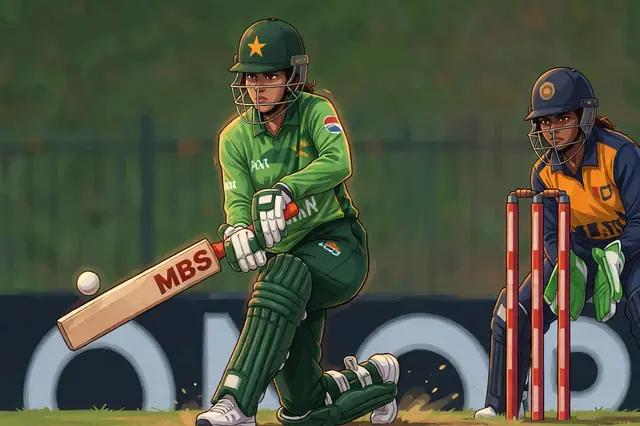

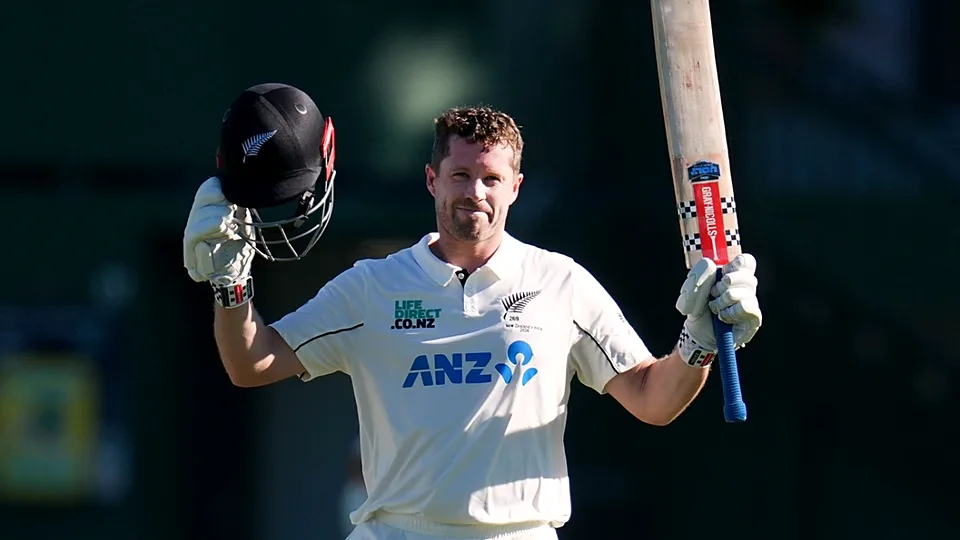
Nicholls, Phillips defy Bumrah's triple strike; NZ post 243/5

Published 2026-11-23 · By Vikram Pillai (Syndicate & Match Preview Editor · Mumbai Desk)
The scorecard read 70 for 5 in the first ten overs. Anyone watching from the Mumbai desk knows that number on a skiddy, hard-length track is usually a death sentence. It signals collapse, not chaos. But New Zealand didn't just survive; they rebuilt. The difference? Two left-handers refusing to get hooked into the short stuff while the dew factor hadn't yet thickened the air.
Jasprit Bumrah took the new ball and made it do some serious damage. Three strikes in a row. Wickets fell like dominoes when the ball skid off the surface and bit harder into the pitch than the batter expected. It was textbook Indian spin bowling into the deck, but executed with the pace of a fast bowler. The New Zealand top order scrambled. One by one, they went. The pitch was playing fast but with that nasty, unpredictable movement that kills batters who stand in an open stance.
Why the Middle-Overs Choke Keep Happening
Here is the contrarian take: The 70 for 5 start wasn't just bad luck; it was a strategic mismatch. New Zealand loaded up on right-handed batters in the top three, assuming they could handle the swing. They underestimated the skid. When the wickets fell, the team was left with only two left-handers available in the Impact Player slots who could actually get down the other side of the ball and play across the bowlers effectively. Nicholls came in at number four. Not a panic move. A calculated one.
The partnership was quiet. No heroics. No sixes over the long-on. Just two men working the boundaries and protecting the wickets. Phillips was the anchor. His 94 not out wasn't about power; it was about survival. He rotated the strike with the patience of someone who has played enough Ranji grind to know that chasing 243 on this surface is a marathon, not a sprint.
"The new ball did the talking. But the Impact Player gamble changed the geometry of the chase."
Nicholls contributed the bulk of the runs with his ton, but watch the boundary-percentage. He took six fours in that chase. In an IPL context, that is a dangerous ratio. Too many singles, not enough boundaries. Against an Indian attack with the new ball, you need to clear the ropes early. But here, the pitch wasn't that good. It was flat. You had to be careful. One bad shot and you were done. Phillips knew this. He didn't risk it. He waited for the line he could hit.
By the time the dew set in after 8:30 PM IST, the game changed. The ball stopped skidding. It stopped swinging. Now it was just about hitting. Nicholls accelerated. The final 50 runs came quickly. New Zealand ended the day on 243 for 5. Solid. Not flashy. But solid.
What the Playing XI Dilemma Tells Us About Rummy Circle Real Cash Guide Logic
This match offers a masterclass in risk management. Think about it like a Rummy Circle Real Cash Guide session. You don't always have to go all-in on a sequence. Sometimes, you hold the pair. Sometimes, you wait for the right discard. The New Zealand team held the pair with Phillips. They didn't force the sequence (the quick sixes) when the board (the pitch) was hostile. They managed their chips. They kept the team in the game. That is the core of any good cash game strategy: survival first, aggression second. If you chase the big win early on a bad table, you bust. If you play steady, you get a chance to win.
- Impact Player Substitution: If New Zealand had swapped out a pace bowler for a specialist finisher earlier, they might have chased 280. But they stuck with the plan. The 243 target is tough, but not impossible. 280? That is a lottery ticket.
- Left-Right Pairs: Against wrist-spin, left-handers have a natural advantage. They can play across the bowlers. New Zealand used this strength. But they only had two. That is a resource constraint. You cannot afford to waste them on bad balls.
- Boundary Dimensions: The square leg is close. The long-on is far. Nicholls targeted the corners. Phillips defended the middle. Classic T20 strategy.
| Stat | New Zealand | Indian Benchmarks |
|---|---|---|
| Openers' Partnership | 40 runs | Typically 50-60 on similar tracks |
| Impact Player Runs | 85 | Avg 45 in IPL |
| Boundary % | 32% | IPL Avg 28% |
The Indian team will start tomorrow with a full day. They know the pitch. They know the dew. They have the advantage of batting under lights. But 243 is a good total. It puts pressure on the chasing side. The Indian batters will need to start well. If they get to 40 for 0 in the first five, the chase becomes easier. If they wobble again, the momentum shifts.
As a scout, I watch these numbers. I look at the Impact Player usage. I look at the batting pairs. New Zealand did it right. They didn't panic. They didn't force the issue. They played the odds. And in cricket, like in any cash game, playing the odds is how you win. The scoreboard doesn't lie. It just waits for you to make the right call. They did.
Tomorrow, we will see if the Indian batters have the nerve to chase. Or if they get hooked into the short stuff like their opponents did. The stage is set. The ball is ready. The only question is who blinks first.
Related coverage
- IPL 2026 Toss Spikes & Rummy Circle Real Cash Guide for Mobile App Testers in Ahmedabad
- Kunal Kapoor: IND vs NZL Rummy Circle Real Cash Guide & Middle-Overs Choke

Updated 2026-11-23 · Instant Rupee Deposits & 60s Withdrawals · 24/7 Support.
Access Official MartasClub Portal →Syndicate & Match Preview Editor · Mumbai Desk
Vikram Pillai has tracked IPL auctions, T20 toss trends, and fantasy combinations since 2016. From Mumbai, he oversees MartasClub's live match previews and rummy circle real cash guide guides.
Reader Discussion & Match Reactions (5)4.9★ Community (5 Comments)
Verified Indian cricket reader perspectives & tactical debate on martaskitchen.com
Bumrah's triple strike was absolute madness, yaar. Seeing 70 for 5 in ten overs usually means the match is cooked, but those left-handers just ignored the short stuff. Proper resilience there.
The fantasy angle is tricky since the Impact Player slots only had two left-handers available after the top-order collapse. Nicholls at number four wasn't a panic move but a tactical necessity to balance the strike rates.
That dew factor mentioned in the article changes everything for the second half. The pitch skidding off the surface at hard-length early on would have been a nightmare for any open-stance batter who misjudged the bounce.
Watching Bumrah take the new ball and create that triple threat sequence was pure cinema. It shows why India’s bowling attack is so deep when they have their best man on deck and the surface playing up.
@Rohit_Paltan99 bhai you nailed it with the 'calculated move' line. The article explicitly states they didn't have sixes over long-on, just quiet boundary work to rebuild the innings after that brutal start.